Engineering & R&D

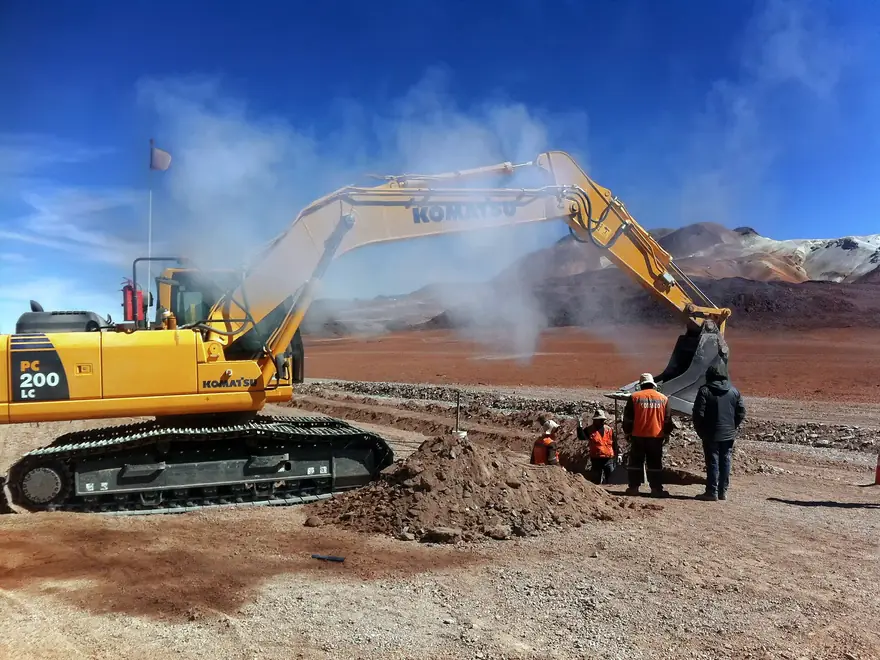
Industrial and telecom engineering

Two disciplines that increasingly share the same infrastructure: the production process and the network that carries its data.

Industrial engineering

Making production flow

  • Process improvement — finding ways to waste less time, money and material.
  • Factory design — setting up machinery and work areas for smooth production.
  • Quality control — testing products to make sure they meet high standards.
  • Supply chain — managing how raw materials arrive and finished goods ship out.
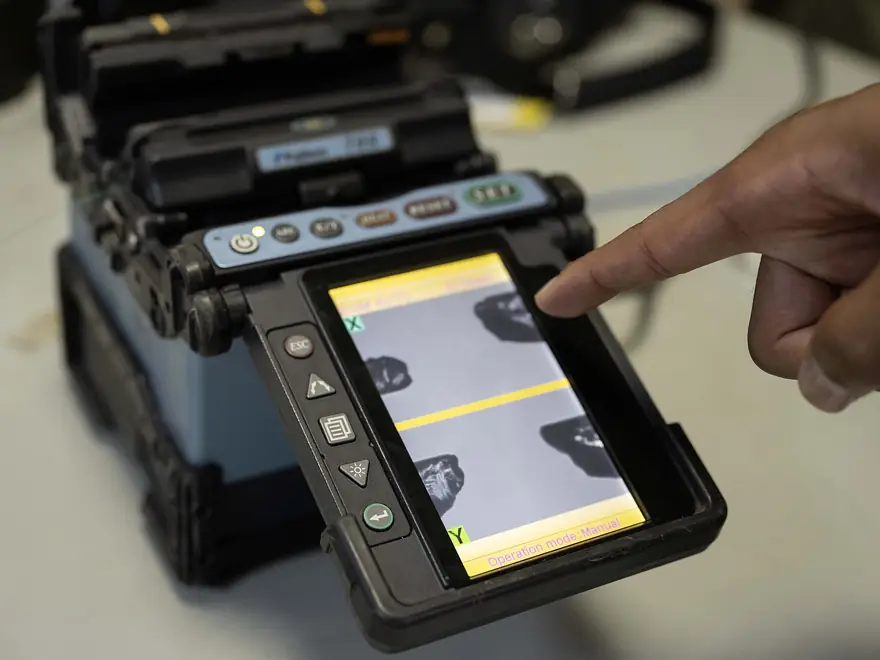
Telecom engineering

Making data move

  • Network setup — building wireless, satellite and fiber-optic networks.
  • Signal transmission — ensuring data moves clearly and without loss.
  • Hardware and software — installing routers, switches and security firewalls.
  • Maintenance — fixing network faults and keeping uptime high.
R&D

The core intersection of machinery and telecom

In the era of smart manufacturing and Industry 4.0, research and development in industrial machinery and telecommunications is converging. Instead of operating in silos, the two sectors are merging to drive the Industrial Internet of Things, private 5G networks, digital twins and edge computing. Empirical studies show that a dual R&D strategy — expanding research in traditional machinery and in information & communications technology at the same time — yields significantly higher productivity and economic spillovers than isolated engineering approaches.

Focus areas

Where the research effort goes

SectorCore R&D focusKey technologies & use cases
Industrial machineryRobotics and flexible automation; precision subtractive and additive manufacturing; predictive maintenance with integrated sensors.Reconfigurable assembly cells and modular automation layouts; multi-axis CNC machine tools with high-speed data outputs; smart components with built-in telemetry for health monitoring.
Telecommunication5G/6G industrial modules and chips; cyber-physical security and network slicing; high-reliability test and measurement instrumentation.Ultra-reliable low-latency communication (URLLC) for robotics; industrial-grade communication hardware resilient to extreme heat and EMI; big data routing and high-bandwidth switching systems.
Bottlenecks

The challenges we plan around

  • The lab-to-factory scaling gap

    Bridging the distance between a successful R&D prototype and large-scale commercial production remains capital-intensive and often faces steep technology-transfer hurdles.

  • Standardisation & protocol harmonisation

    Aligning telecommunication standards such as 3GPP with industrial automation protocols such as OPC UA requires intense cross-industry collaboration to ensure plug-and-play interoperability.

  • The skill premium and talent deficit

    As R&D becomes increasingly software-oriented, the cost of hiring engineers who understand both mechanical hardware and network architecture rises sharply.

  • Policy dynamics & market delivery

    Industrial hubs subsidise cross-sector R&D and fund pilot programmes that embed advanced telecommunication sensors into domestic machine supply chains, with a focus on system integration, technical conversion and AI-driven electronics testing.

Delivery

Engineering in the field

Bring us in at the design stage

The earlier engineering is involved, the cheaper the project becomes. Share your brief and we will review it.